

Artificial Intelligence in Real Estate Transactions in Mexico: Efficiency Without Losing Accountability
Artificial intelligence is rapidly transforming the way we work in real estate.
In Mexico, this transformation presents a particularly compelling opportunity.
For an international buyer, purchasing property in Mexico can involve much more than finding the right home. The process may include differences in language, currency, laws, taxes, ownership structures, financing, contracts, due diligence, restrictions that apply to foreign buyers, notarial procedures, and the various professionals involved in closing.
In this context, artificial intelligence can become an extraordinarily powerful tool.
It can help organize information, analyze documents, identify inconsistencies, summarize contracts, prepare task lists, track important dates, facilitate communication between the parties, and help professionals work more efficiently.
And that is a positive development.
But there is a distinction we must keep in mind as technology advances:
AI can help do the work. It cannot take responsibility for the outcome.
That difference is particularly important when we are discussing one of the most significant financial decisions a person can make: buying or selling property.
Mexico: A Transaction With Many Layers
For a foreign buyer, a real estate transaction in Mexico can be difficult to understand precisely because many parts of the process work differently from what they know in their home country.
The Mexican notary, for example, plays a fundamental role in real estate transactions that does not necessarily correspond to the concept of a "notary public" familiar to buyers from the United States or Canada.
There are also differences involving taxes, deed formalization, property registration, fideicomisos (bank trusts) for certain foreign buyers, notarized powers of attorney, verification of the source of funds, identification of the parties, and compliance requirements.
Other considerations include:
- Property due diligence.
- Registration and legal status.
- Outstanding property taxes or utility bills.
- Restrictions or conditions on property use.
- Condominium ownership regimes.
- Contracts and addenda.
- Deposits and escrow arrangements.
- Currency conversion.
- Taxes and closing costs.
- The seller's tax obligations.
- Coordination with notaries, attorneys, banks, and other specialists.
- Property handover and possession.
AI can help organize and process much of this information.
But organizing information is not the same as understanding all the legal, tax, or commercial implications of a transaction.
That is where the professional remains indispensable.

AI Can Provide Information. The Professional Provides Judgment and Accountability.
One of the greatest advantages of artificial intelligence is its ability to process large amounts of information in a short time.
It can compare documents, identify differences between contract versions, summarize lengthy texts, create checklists, and help flag information that appears to be missing.
All of this can significantly improve a transaction.
But there is an important limit.
Information does not replace professional judgment.
A buyer can use an AI tool to ask what a particular contract clause means.
They can ask it to explain a tax term.
They can even ask it to compare two scenarios.
But an AI tool's answer does not necessarily account for all the specific circumstances of that transaction.
Above all, the consumer may not know what information is missing.
That is one of the most significant risks.
AI may answer the question it is asked very well.
But it does not necessarily know which question should have been asked in the first place.
Who Is Responsible When Something Goes Wrong?
This may be the most important question in the conversation about artificial intelligence in real estate.
Suppose an international buyer uses an AI tool to interpret a contractual provision and, based on that interpretation, makes a decision that later creates a problem.
Who is responsible?
The platform?
The model developer?
The user?
The agent?
The attorney?
The notary?
The answer will depend on the circumstances and each professional's legal obligations.
That is precisely why it is so important to keep roles and responsibilities clearly defined within a transaction.
A technology tool can generate information.
A professional must know how to use it, how to verify it, and when to stop and consult another specialist.
"Human-in-the-Loop": Keeping the Professional at the Center
Instead of asking how we can replace professionals with artificial intelligence, we should ask:
How can we use AI to help our professionals become better at what they do?
That shift in perspective is essential.
A "human-in-the-loop" model, in which a professional remains involved in the process, allows us to benefit from the efficiency of technology without removing accountability.
In a Mexican real estate transaction, that professional may differ depending on the situation.
It may be the real estate agent.
It may be the transaction coordinator.
It may be an attorney.
It may be the notary.
It may be a tax advisor.
It may be an escrow specialist.
It may be a financial advisor.
And in complex transactions, it may be a combination of all of them.
AI's role is not to replace this network of professionals.
It is to help them work better together.
For an International Buyer, This Matters Even More
When clients purchase property in their own country, they are probably familiar with many of the rules of the system.
When they buy in another country, that familiarity disappears.
An international buyer may not know which questions to ask.
They may not know the differences between a private contract and a formal deed.
They may not understand the notary's role.
They may assume that a Mexican legal structure works the same way as one with a similar name in their own country.
They may interpret a closing cost using the standards of their home market.
They may even use a translation that is perfectly accurate linguistically but incorrect from a legal perspective.
AI can help reduce these barriers.
But it can also create a false sense of security.
An answer that sounds clear and convincing is not necessarily correct for that specific situation.
That is why technology should be a support tool, not the final authority.
The Agent of the Future Will Be an Advisor, Not a Gatekeeper of Information
The real estate industry is evolving.
For a long time, a significant part of an agent's value came from having access to information that consumers could not easily obtain.
That has already changed.
Today, consumers can research properties, markets, prices, locations, and virtually any aspect of a transaction from their computer or phone.
Artificial intelligence accelerates that process even further.
That is why the future of the real estate agent cannot depend on controlling information.
It must depend on knowing what to do with it.
The agent of the future will increasingly be an advisor.
Someone who listens.
Who asks questions.
Who identifies risks.
Who understands the context.
Who knows when a situation requires the involvement of an attorney, notary, accountant, or tax advisor.
Who can coordinate different professionals.
Who helps clients make informed decisions.
And who stays involved when things become complex.

AI Can Make a Transaction Coordinator Much More Efficient
This evolution also has enormous implications for the professionals who work behind the scenes.
A transaction coordinator can use AI to organize timelines, review document checklists, identify outstanding tasks, prepare communications, summarize updates, compare documents, and maintain an overview of a transaction involving multiple participants.
In an international transaction, this can be especially valuable.
A single transaction may involve the buyer, seller, agents, attorneys, notary, bank, insurance company, escrow provider, condominium manager, accountant, and other service providers.
AI can help keep all that information organized.
But effective coordination still requires something that technology cannot provide on its own:
judgment.
Someone must know what is urgent.
What can wait.
What information needs confirmation.
Which document needs to be reviewed by an attorney.
Which issue could affect the closing.
And which seemingly small problem could become a major issue later on.
AI Does Not Replace Trust
A real estate transaction is also a human relationship.
The buyer needs to feel heard.
The seller needs to know that their interests are being looked after.
The parties need to trust that the information they receive is clear and that problems will be communicated promptly.
In an international transaction, that trust can be even more important.
The client may be thousands of miles away.
They may not speak Spanish.
They may not personally know any of the professionals involved.
They may be transferring a significant amount of money to another country.
Under those circumstances, having an accountable person on the other side of the transaction is not a luxury.
It is an essential part of the service.
The Real Risk Is Not Artificial Intelligence
The debate around AI often focuses on whether the technology is accurate.
But the more important question is different:
What happens when it is not?
Professionals make mistakes too.
The difference is that a professional has a responsibility to their client and, depending on their role and jurisdiction, is subject to professional standards, legal obligations, regulation, and accountability mechanisms.
AI does not have a fiduciary relationship with the client.
It does not personally know the buyer.
It does not necessarily understand their priorities.
It cannot assume professional responsibility for a decision.
And it cannot replace the judgment of a professional who is obligated to act in accordance with their responsibilities.
That is why the conversation should not be:
"Can AI replace the agent?"
The question should be:
"How can AI help the agent better protect their client's interests?"
Technology Should Increase Accountability, Not Reduce It
The integration of AI into real estate transactions should have a clear objective: improving client service.
It should help us work faster.
Reduce administrative errors.
Identify missing information.
Communicate better.
Organize complex processes.
Spend more time with clients.
But it should never become an excuse to eliminate professional accountability.
In fact, the more powerful technology becomes, the more important it will be to have professionals capable of overseeing it.
AI can draft.
The professional reviews.
AI can compare.
The professional interprets.
AI can identify a possible inconsistency.
The professional determines whether there is an actual problem.
AI can provide an answer.
The professional decides whether that answer is sufficient.
Toward a New Standard for Real Estate Transactions
The Mexican real estate industry has an important opportunity.
Instead of waiting for problems arising from AI use to force the creation of rules, we can begin defining best practices now.
One of those practices should be keeping a qualified professional involved in the important decisions within a transaction.
This is not about limiting consumers' access to technology.
Quite the opposite.
Buyers and sellers should be free to use the tools they find useful.
But they should also know where technology ends and professional responsibility begins.
This is particularly important in international transactions.
A foreign buyer may use AI to research Mexico before even speaking with an agent.
They may use it to learn about a city, compare properties, understand real estate terms, or prepare questions.
All of that can be extraordinarily useful.
But when it is time to make decisions with legal, financial, or tax consequences, technology must work alongside the right professionals.
The Future Is Not Human Versus Machine
The future of real estate should not be framed as a choice between people and technology.
The reality will be much more interesting.
It will be a combination of both.
Professionals who learn to use AI will be able to work more efficiently.
Clients will have access to more information.
Processes can become more transparent and organized.
Transactions can move faster.
And professionals will be able to devote more time to what truly creates value: advising, listening, negotiating, coordinating, and protecting their clients' interests.
Technology will change the way we do our work.
But it should not change whom we do it for.
The client must remain at the center.

Responsibility Remains Human
Artificial intelligence can do many extraordinary things.
It can analyze information in seconds.
It can process documents that would take hours to review.
It can help us identify problems we might otherwise overlook.
It can improve our productivity and help us deliver more efficient service.
But it cannot take responsibility for a real estate decision.
It cannot replace the trust between a client and their advisor.
It cannot substitute for the judgment of a professional who understands the full context of a transaction.
And it cannot assume the duty we have to protect the interests of the people who place their trust in us.
That is why the question is not whether AI will have a place in real estate transactions in Mexico.
It already does.
The real question is how we will use it.
The answer should be simple:
Use it to create better transactions, better professionals, and better decisions, while always keeping a qualified, accountable person at the center of the process.
Because behind every contract is a person.
Behind every transfer of funds is trust.
And behind every property purchase is a decision that can change a family's life.
AI can do the work.
But responsibility remains human.
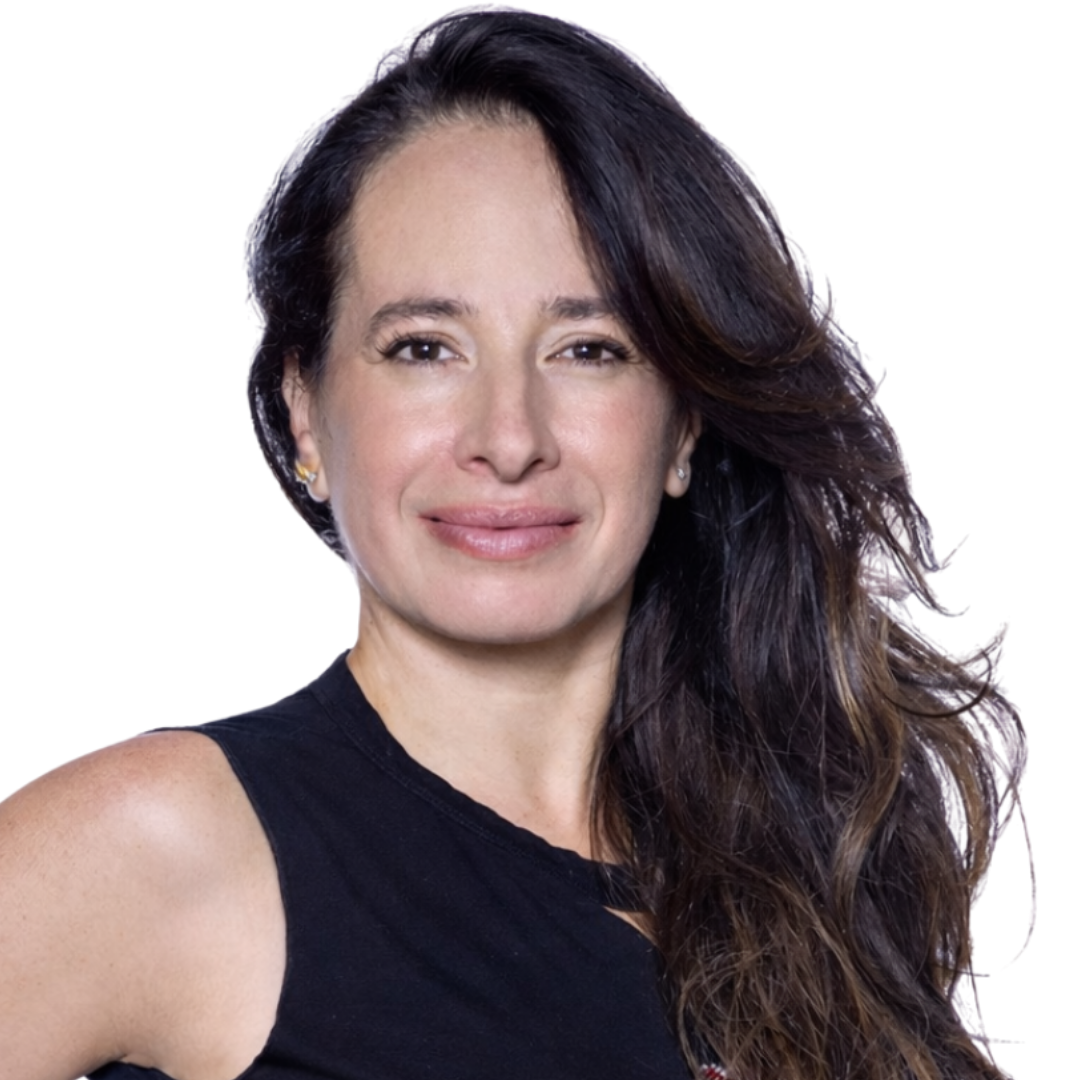
Written by
Alejandra Castro
Transaction Coordinator
More from The Journal

A Year in San Miguel de Allende, Month by Month
A month-by-month guide to a year in San Miguel de Allende — its festivals and seasons, plus the vine…
October 17, 2026

Agency News
Bringing the 2025 Global Chairman Award Home to San Miguel
Don Flood and Ruben Valerio have been named 2025 Chairman Award Winners for The Agency globally, pla…
June 15, 2026

The biggest soccer event on earth is coming and San Miguel is ready.
Picture this: it’s a warm June evening in San Miguel de Allende. The church bells echo softly throug…
May 26, 2026